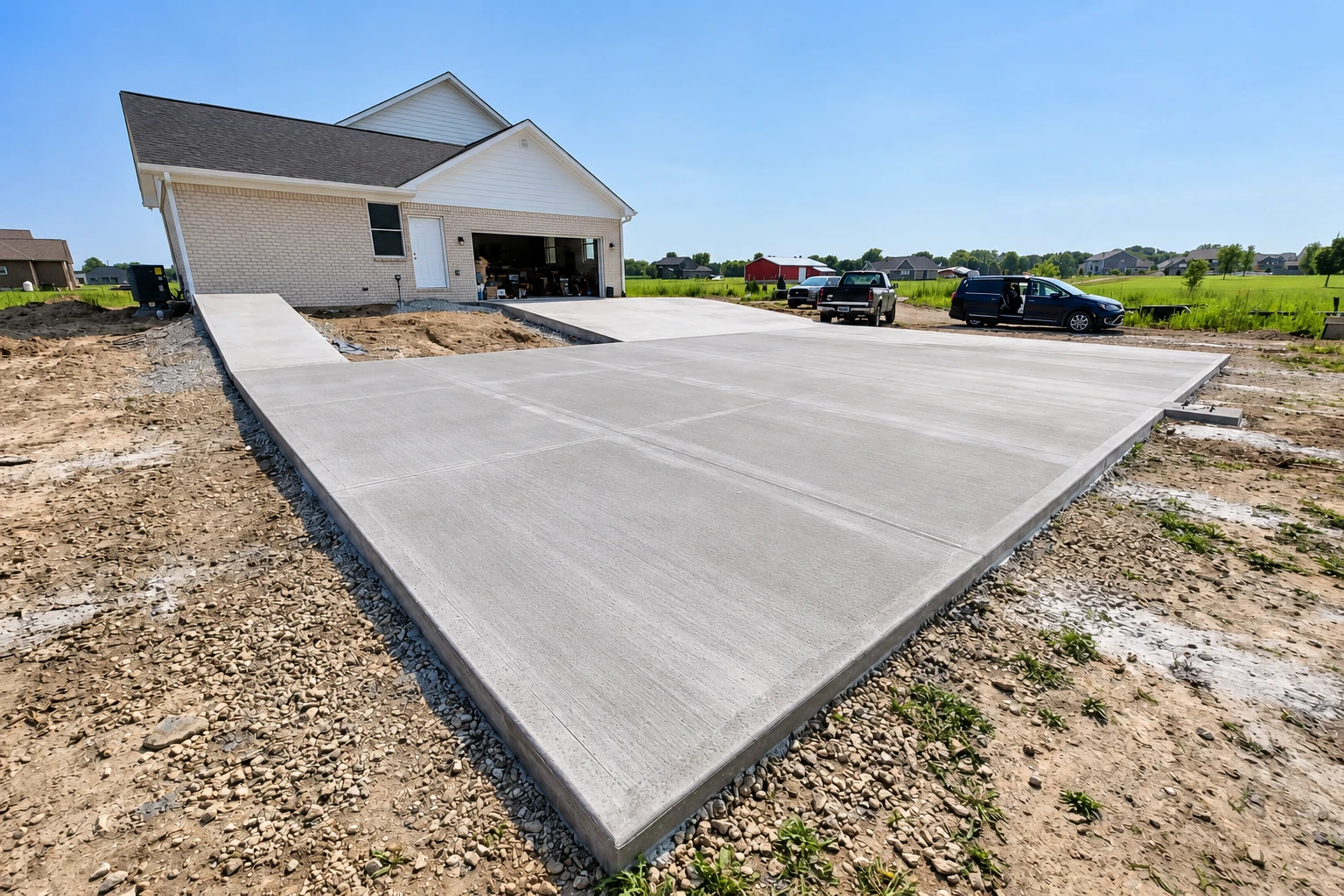
Slab foundation building in Anchorage AK - built to handle frozen ground
Building a home or addition on ground that freezes? We plan the edge insulation, drainage and pour around frost from the first visit.
- Insulation planned first Slab edge insulation goes into the plan before the layout is set.
- Shallow or deep, compared We weigh a shallow insulated design against a deeper foundation with you.
- Base dug and packed We dig out and pack the base instead of raking it level.
- Pours timed to weather Pour dates get set around the forecast, and protection is planned ahead.
- Fully licensed and insured.
- Free on-site estimates.
- We reply within 1 business day.
How do you know your slab or foundation plan needs a closer look?
Frozen ground can move concrete a little every winter, and the earlier you catch the cause, the more choices you have before a crack turns into a rebuild.
Cracks that open every winter
Cracks in an old slab that widen in winter and close up in summer usually mean the ground below is freezing and lifting. Each season pushes it further.
A floor that's out of level
One corner higher than the rest, or doors that start to stick, usually means frost or settling under one side. It's cheaper to plan around than repair later.
Water or ice along the foundation
Puddles in spring or ice against the walls mean water is draining toward the house. Water that freezes under a slab is what lifts and cracks it.
Cold floors near outside walls
A floor that stays cold or damp along the outside walls usually points to an edge with little or no insulation. You pay for it every heating season.
A new home or addition coming
A new house, addition or shop on a slab needs its foundation planned around frozen ground before digging starts. Changing it later means breaking out concrete.
A bid that only talks finish
If a bid covers the surface but says nothing about base, drainage or insulation, ask why. Those are the parts you can't get back to once it's poured.
How we build a slab foundation that handles frost
At Monolith Anchorage Concrete Company, slab foundation building in Anchorage starts before anyone digs, because I plan the edge insulation and how the slab will handle frozen ground from the first visit. If a shallow insulated design could work for your home, we'll talk it through next to a deeper foundation. Then we dig out and pack the subgrade, the soil and gravel the slab sits on, set the insulation and the rebar, the steel that keeps any crack from pulling apart, and check where water will run so it drains away from the house. We pour on a day the forecast allows and protect the concrete while it cures. Price moves with the size of the slab, how much digging and base the lot needs, the insulation and steel, and whether we're pouring into the cold. The schedule turns on the permit and the weather. If the budget gets tight, the base is the last thing I'd cut, because nobody sees it on day one and it's the one part you can't fix without breaking the slab out. Your written estimate puts your own numbers on all of it.
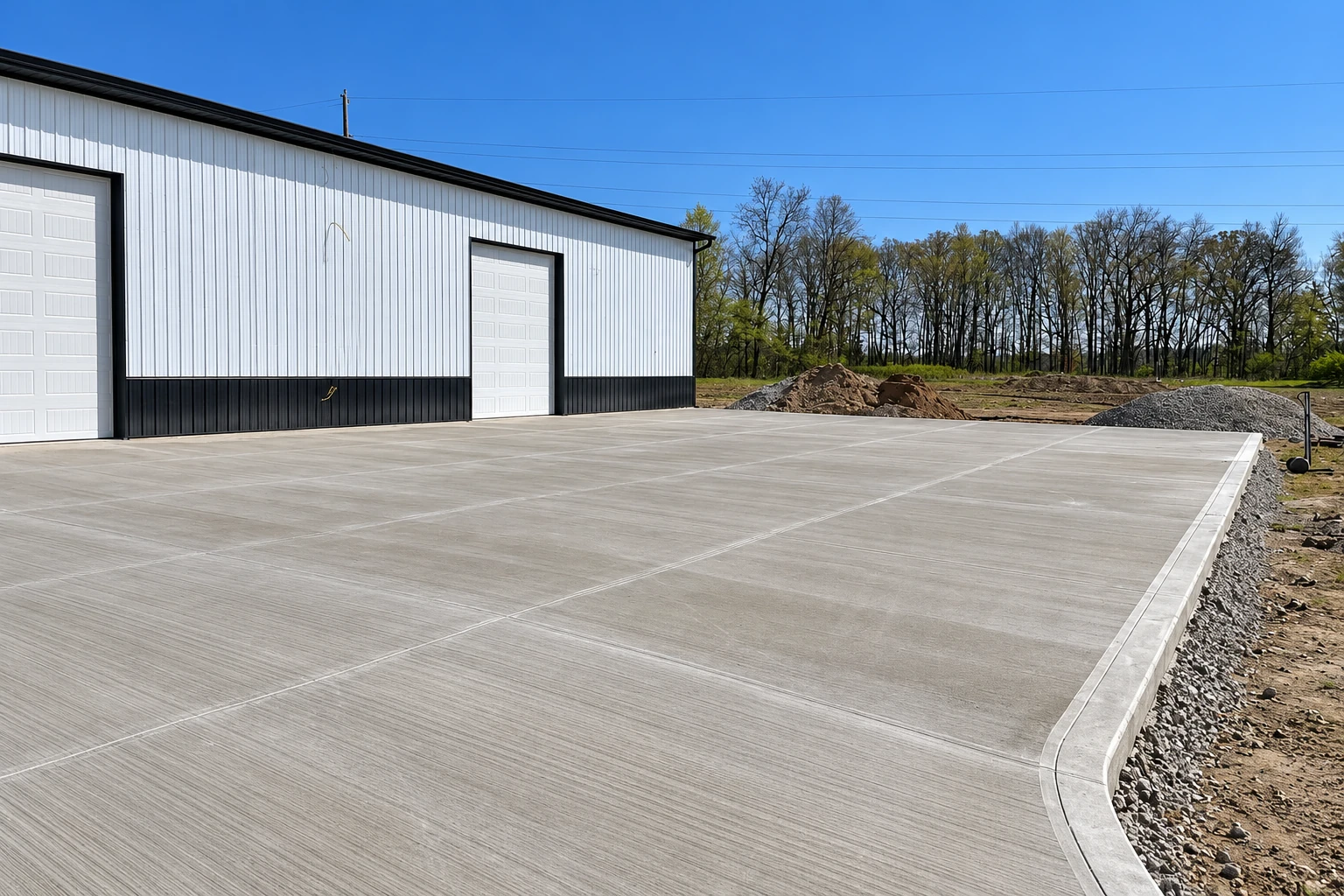
Some houses need more than a slab. If yours calls for a deeper perimeter wall or a crawlspace, that's our foundation installation work, and you can compare the two before you decide. For small business and property owners putting up a building, we also handle concrete parking lot building around it, planned with the same eye on drainage and frost.
What happens after you call about a slab foundation?
Here's how a slab foundation job runs with us, from your first call through the pour to the final walk-through.
Call or send a message
Tell us the address, the slab size and what's going on top of it. I set a time to come out and look at the site.
Get your written estimate
I walk the lot, ask what you need and write it up, including the insulation plan and whether a shallow design could fit.
Line up permits and pour
Once you say go, we line up any permits and set a pour date with the weather in mind, then pour and protect the slab.
Walk the finished slab
Once the forms come off, we clean up the site and walk the slab with you so you know what comes next.
Why Anchorage homeowners call Monolith Anchorage Concrete Company
The owner at every pour
I look at your job, write the estimate and pour with my crew, so what I quoted is what gets built.
Pouring in Anchorage since 2013
I learned on crews around Anchorage, started this business in 2013, and we plan for cold weather from the start.
Licensed for Alaska home work
Alaska requires a residential contractor endorsement to build or alter a home of one to four units. We're fully licensed and insured.
Straight answers, plain promise
You get a straight answer on what your lot needs, and our promise is satisfaction guaranteed on every job.
Get a written estimate for your slab foundation
Send the address, the slab size, its planned use and whether you're inside the Building Safety Service Area if you know, and we'll reply within one business day. I'll come out for a free written estimate with no obligation.
Slab foundations up close
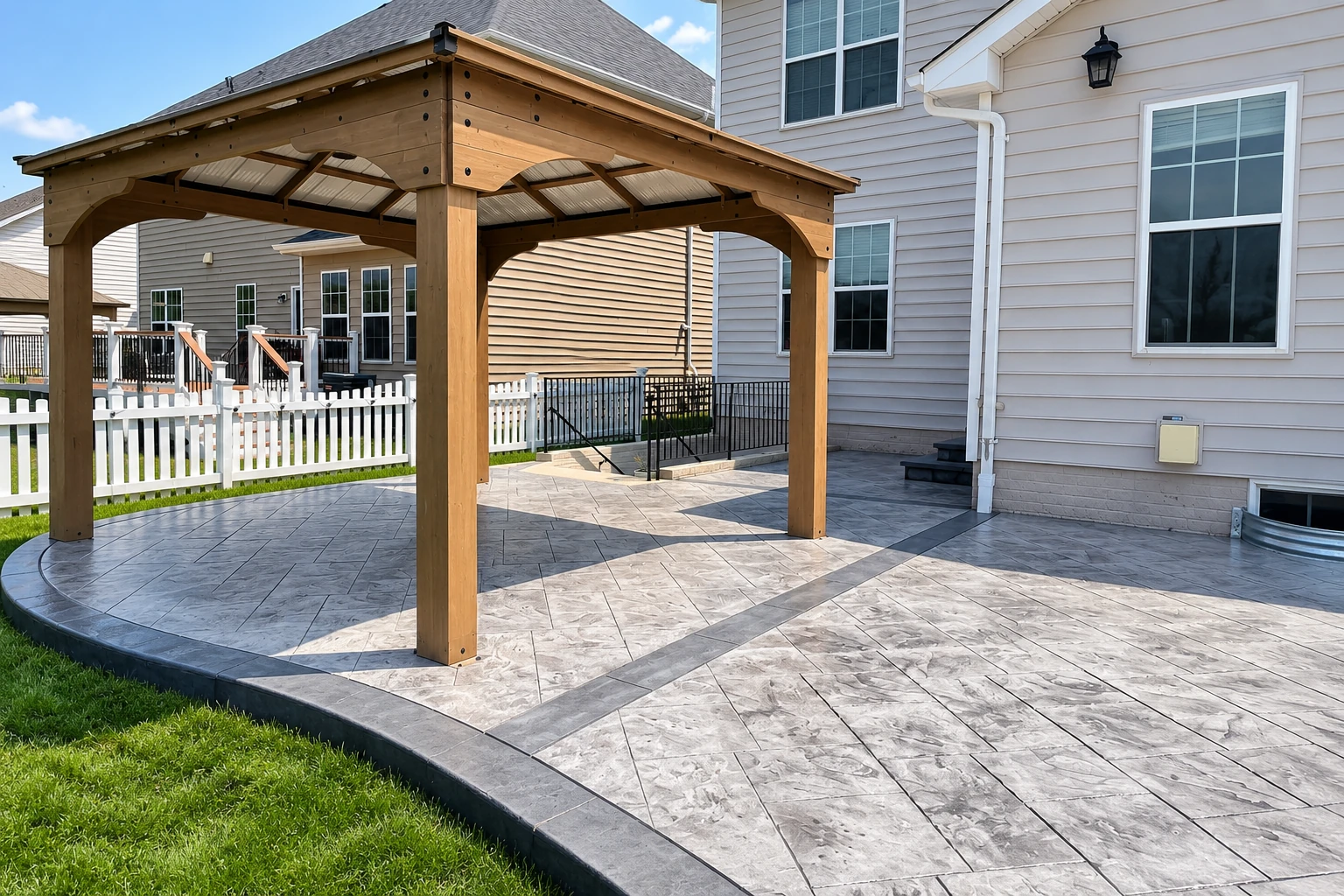
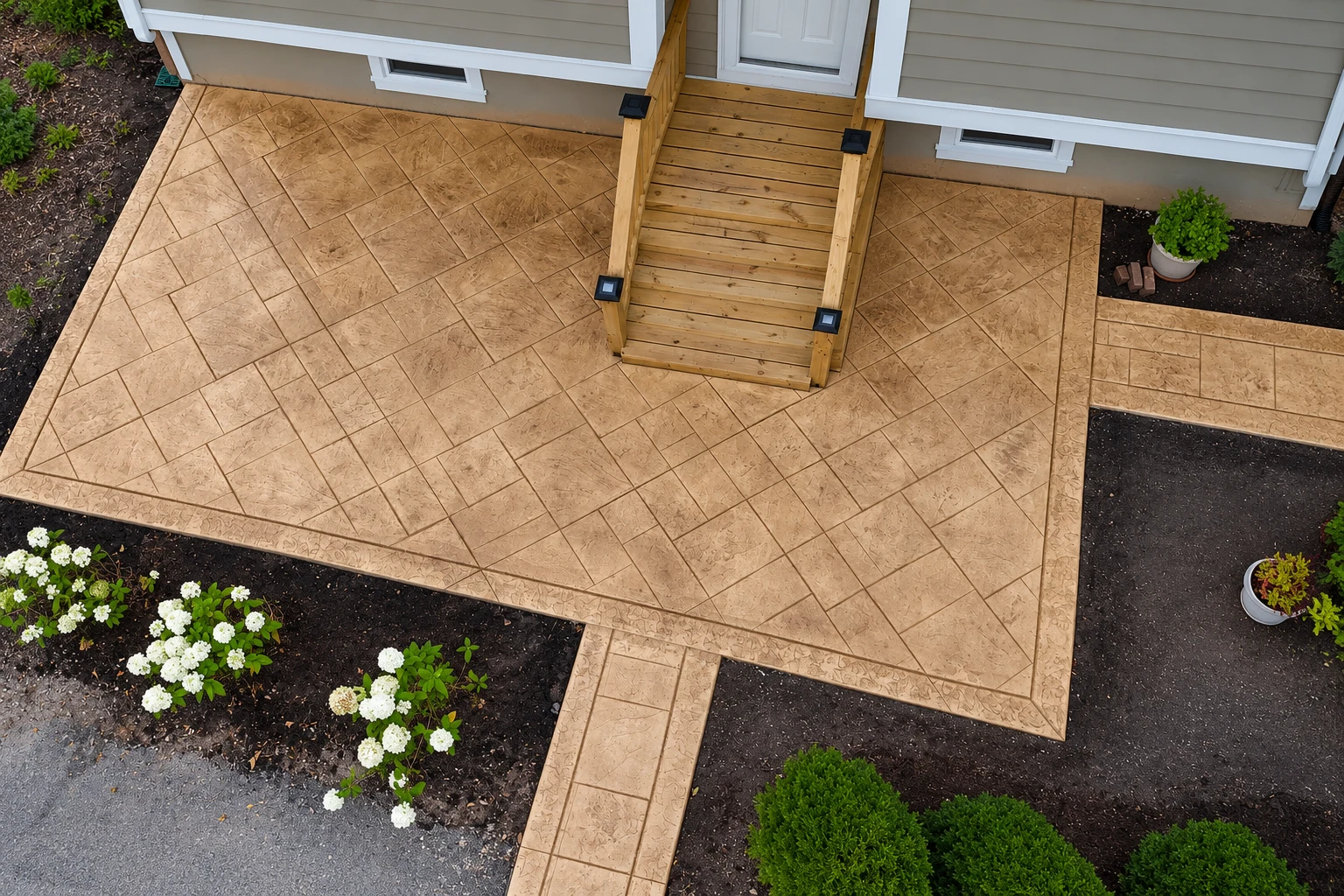
Look through these examples of slab foundation work, from the forms and insulation to the finished concrete, to see what goes into the job.
What people ask about slab foundations
These are questions we hear about building on a slab in Anchorage. If yours isn't here, call or send a message and ask about your own lot.
How much does a concrete slab foundation cost in Anchorage?
A concrete slab in Anchorage usually costs about $7 to $14 per square foot, and that's the market rate for the slab, not our price. Reinforced slabs cost more per square foot than unreinforced pads, and the size of the slab and the site work move where yours lands. Your written estimate gives you the figure for your lot.
Do I need a permit to build a slab foundation in Anchorage?
Inside the Building Safety Service Area, yes, unless the code exempts the work, because the building official issues permits to build or alter a structure there. Outside that area, new buildings and additions need a land use permit instead, and you can check which applies to you with the Municipality of Anchorage. We handle the paperwork with the Municipality where we're able to, and if any part has to come from you, I'll tell you who and what they'll want.
Can you pour a concrete slab in cold weather?
Yes, as long as it's protected. The concrete industry's own guide treats it as a cold weather pour once the air falls, or is forecast to fall, below 40°F while the fresh slab is being protected, and says it still gains enough strength when it's mixed, placed and protected properly, with more protection the colder it gets. Ask any contractor what they'll do if a cold snap shows up after the pour, because we plan that before the truck comes.
How soon can I walk or build on a new concrete slab?
One cost guide says a new slab should be walkable within 48 hours. The same guide suggests waiting a week before heavier loads go on it and puts full curing, the slow hardening that keeps going after the pour, at 28 to 30 days. Cold slows that down, so we'll talk through when yours is ready for the framers.
What is the best way to build a slab foundation on frozen ground?
National guidance points to a frost protected shallow foundation, which uses carefully placed insulation to raise the frost depth around the building so the foundation can sit as shallow as 16 inches. It's a practical alternative to deeper, more costly foundations and can lower what the owner pays. It won't suit every lot, so ask about it before you settle on a design.
How do I keep a slab foundation from heaving in the cold?
Cold-climate guidance says good drainage around the foundation is critical against frost heave, the ground lifting as it freezes, using free-draining backfill or a drainage mat on the outside and a footing drain pipe. The same guidance says to install slab edge insulation on slab-on-grade foundations, because a poorly insulated slab can mean energy loss, moisture trouble and indoor air problems. Both get planned before the pour, since neither is easy to add afterward.
Where we pour slab foundations
We're based in Anchorage and work across it and the cities around it, inside the Building Safety Service Area or outside it. Pick your area below, or just ask.
Talk to us about your slab foundation
Getting the permit and the estimate started early leaves more room to pick a good week for the pour.