Concrete sidewalk building in Anchorage AK - a walk that holds up to winter
Cracked, heaved or crumbling walk to your door? We pour a new one with a mix and a schedule picked for Anchorage winters.
- Owner on every job I look at your walk and work the pour with my crew.
- Mix made for freezing We pour a mix built to handle freezing and ice melt.
- Pour timed for weather We set the date around the forecast, not the calendar.
- Water runs off We form the walk to shed water away from your house.
- Fully licensed and insured.
- Free on-site estimates.
- We reply within 1 business day.
How do you know your sidewalk needs replacing?
A walk usually shows trouble well before it turns dangerous. Catch it early and you're replacing a walk, not dealing with a fall on the ice or water at the foundation.
Slabs lifted at the joints
One section sits higher than the next, and it got worse after winter. Usually water is getting under the slab and freezing, and each winter lifts that edge more.
Flaking or pitted surface
The top peels off in thin flakes, often worst near the door. Freezing and ice melt are usually working on a mix that wasn't made for it, and it spreads.
Cracks running across the walk
Wide cracks that keep opening, or spiderweb cracking in one spot. Usually the ground underneath has moved, and water getting in each winter breaks the pieces apart faster.
Water pooling on the walk
Puddles sit on the walk or run toward the house. Come winter that water turns to ice you have to chip, and it soaks the concrete before each freeze.
Edges crumbling into the yard
The sides break off in chunks where the walk meets the grass. A thin or unsupported edge usually goes first, and the walk narrows every year until it's replaced.
No walk where you need one
A worn dirt path across the lawn, or mud tracked in every spring. A poured walk puts a firm surface where people already walk and keeps the mess outside.
How we build a concrete sidewalk for Anchorage winters
Concrete sidewalk building in Anchorage starts with one fact. A walk sits out in every freeze and catches most of the ice melt you put down. We break out and haul away the old walk, set forms so the new one sheds water to the side and away from the house, and pour an air-entrained mix, concrete with millions of tiny air bubbles that give freezing water room to expand so stress doesn't build up and break the surface. If you're comparing quotes, ask each contractor whether they're pouring it. We give the top a broom finish, a light texture dragged across it so shoes grip when it's wet, then keep everyone off while it cures, the wait while concrete gains strength before it takes traffic. When you have a choice, we schedule outside the coldest months, and if the walk meets the street, I check what the city needs there before we start. The price moves with the walk's length and width, how much old concrete comes out and how much work the street end adds. The schedule turns mostly on the weather and any permit, so your own numbers come in the written estimate after I see the walk.
A new walk often ends at the garage, and if that floor is cracked or sinking too, garage floor concrete is worth pricing at the same time. If plain gray isn't what you want at the front door, decorative concrete adds color or a pattern on top of the same air-entrained mix.
What happens when you call about a sidewalk in Anchorage?
From the first call to the last walk-through, I'm the one you deal with, and the weather sets the pour date.
Call and set a visit
Call or use the form to tell us about the walk, and I'll set a time to come out and see it in person.
Get the estimate in writing
I walk the route with you and ask what you need. The estimate comes in writing, so the work and the price are down before you decide.
Line up permits and weather
Once you say go, we line up any permits and set a pour date around the forecast, even if that means waiting for a better week.
Walk through it together
Once the forms are off and the site's clean, we walk the new sidewalk together, and I go over how to treat it its first winter.
Why Anchorage homeowners call Monolith Anchorage Concrete Company
The owner on every pour
I look at every job, write the estimate and work the pour with my crew, so what we agreed gets built.
In business since 2013
I learned on crews around Anchorage, then started this business in 2013, so I've seen how walks here fail.
Covered while we're on site
We're fully licensed and insured, so if something gets damaged while we work, it isn't left on you.
Straight answers about waiting
If a cold snap is coming, I'll tell you to wait for a better week rather than pour a walk that freezes wet.
Get a written estimate for your new sidewalk
Tell us the walk's rough length and width, whether it meets the street and when you'd like it poured. We reply within one business day to set up a free on-site estimate, with no pressure and no obligation.
Examples of poured concrete walks
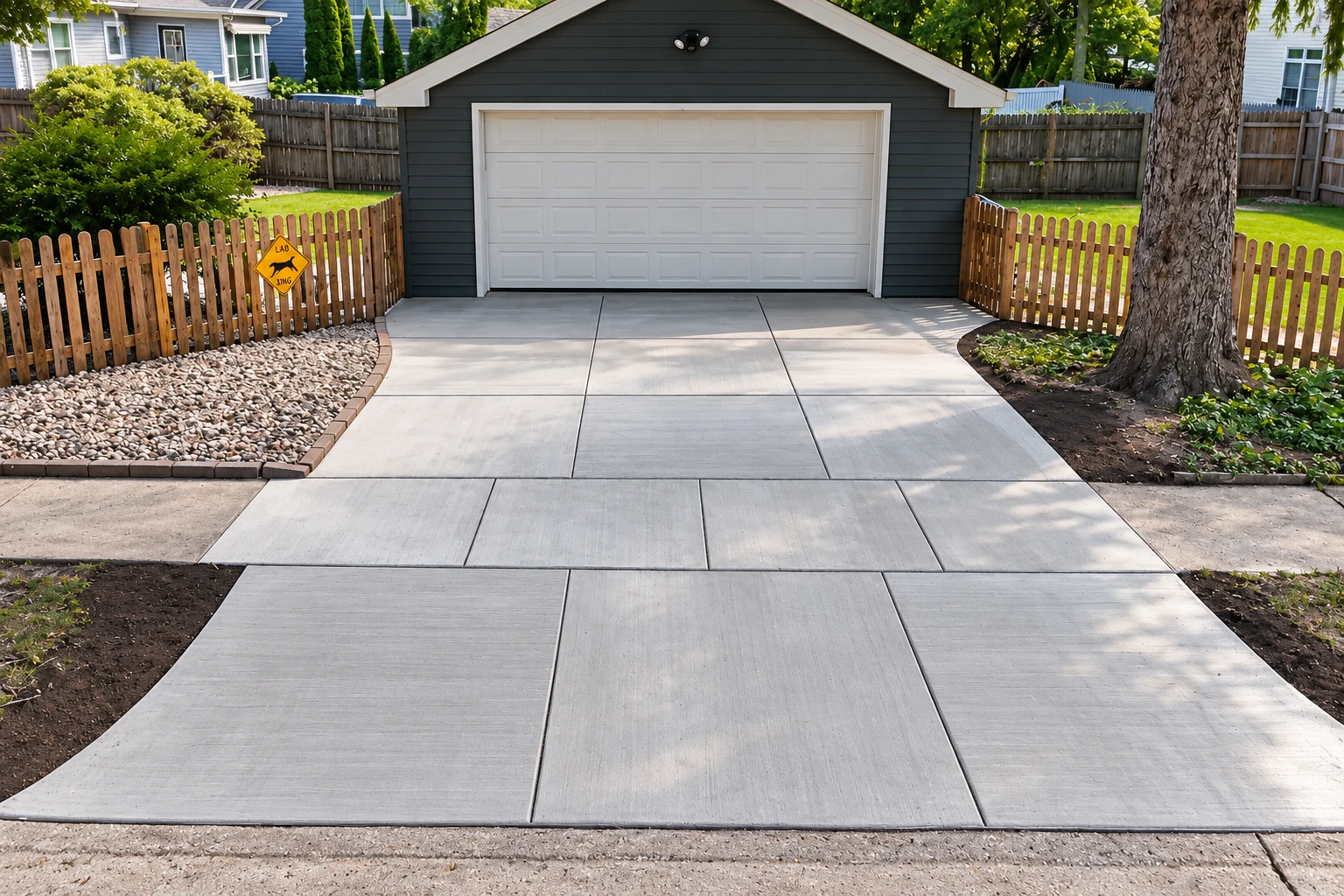
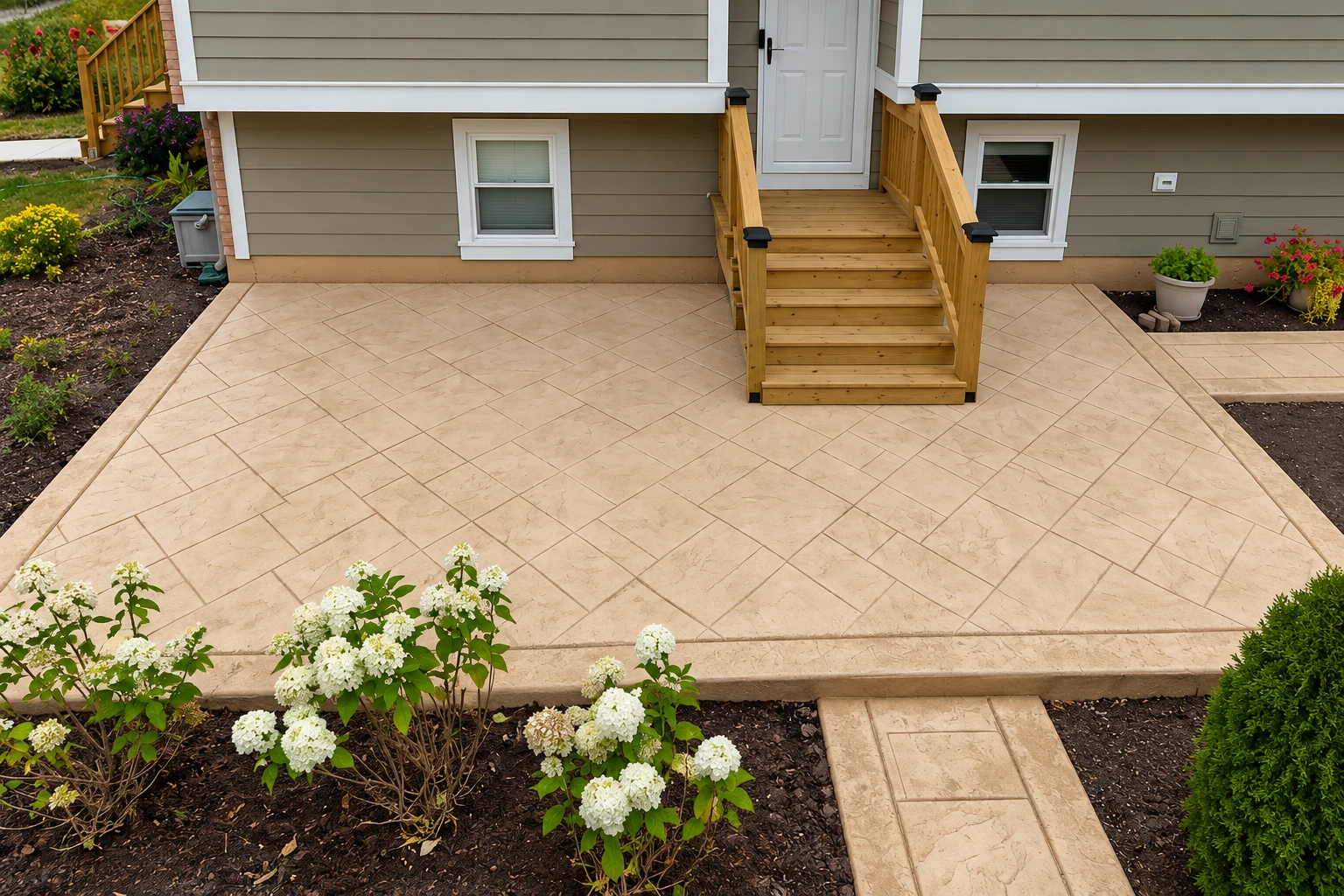
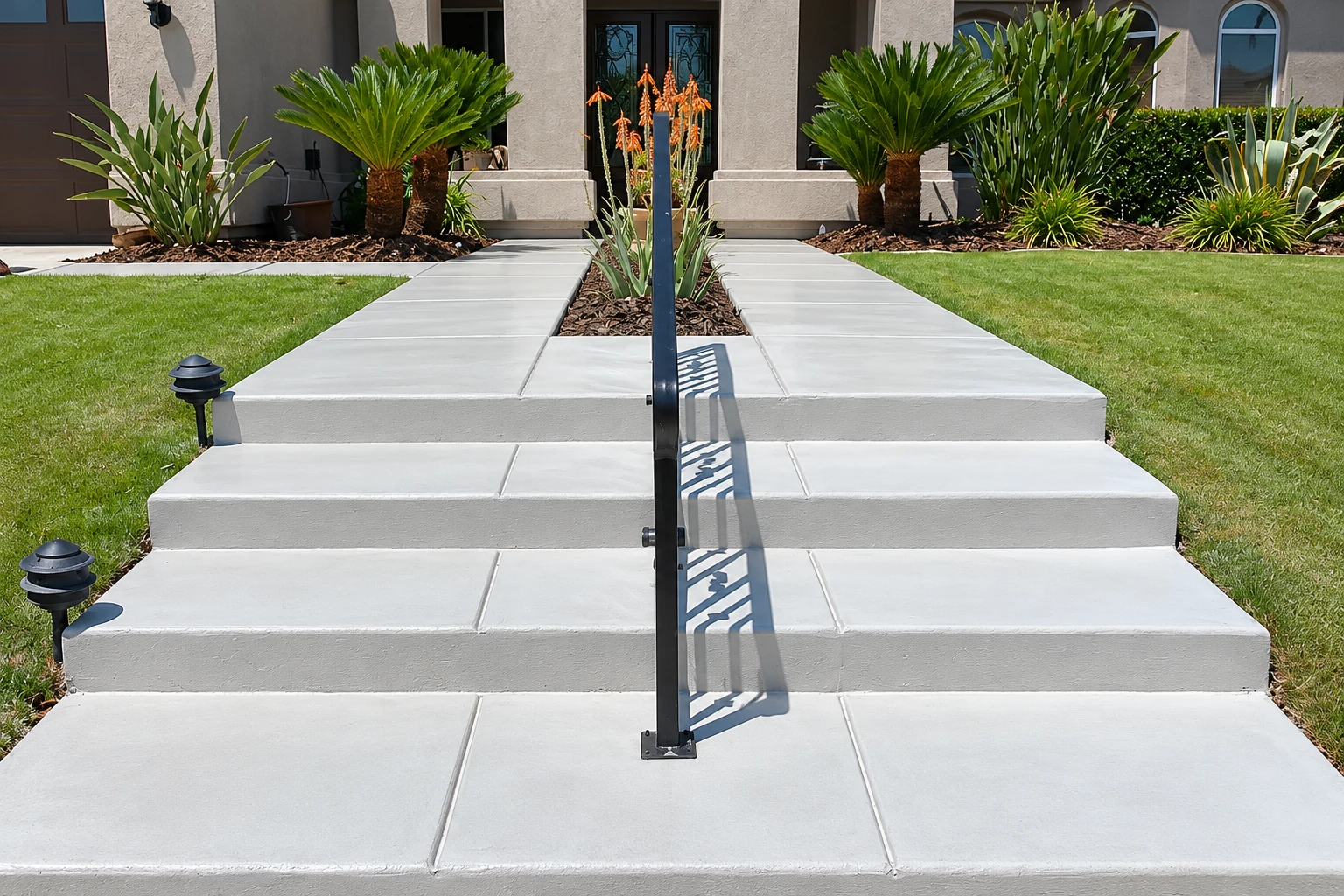
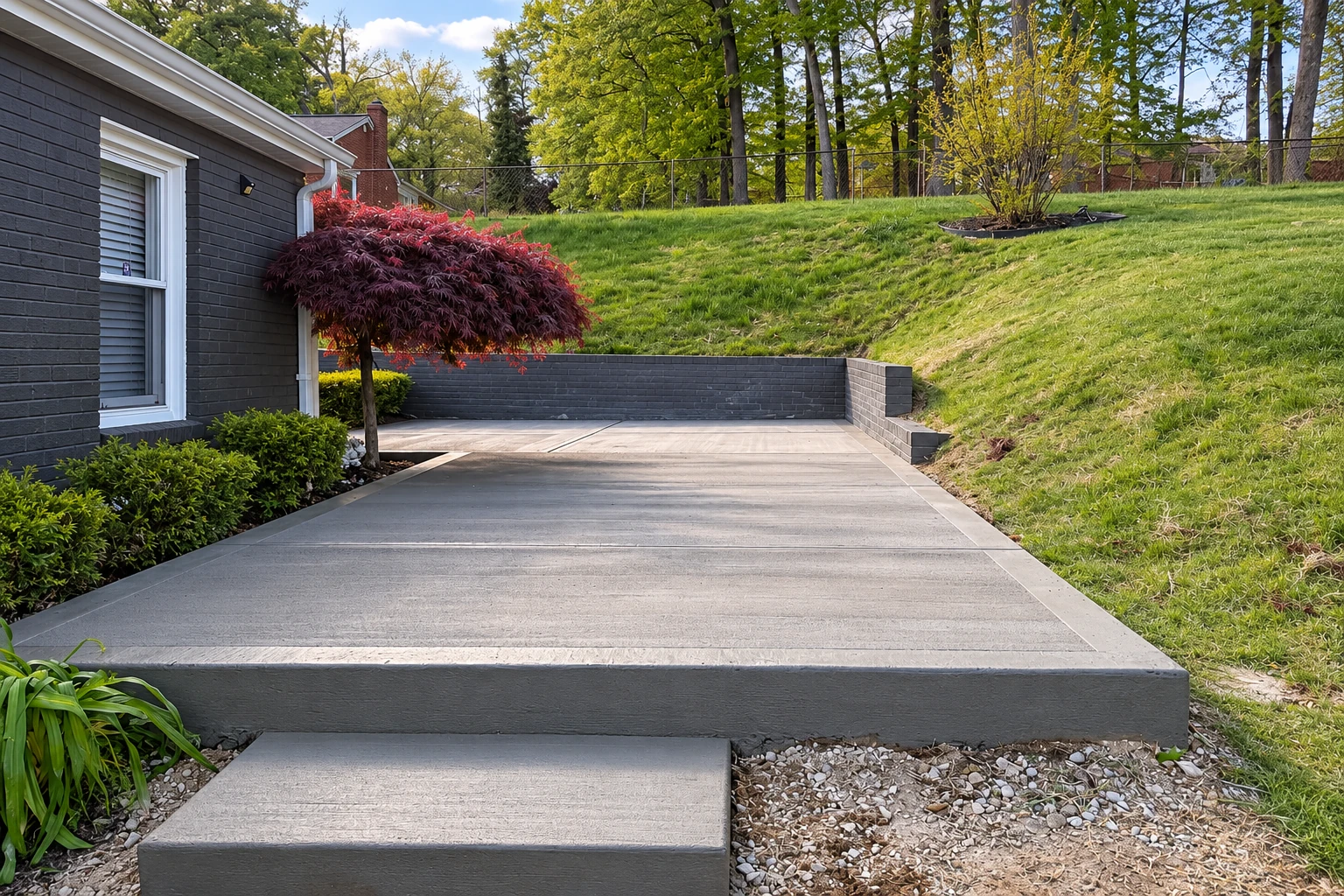
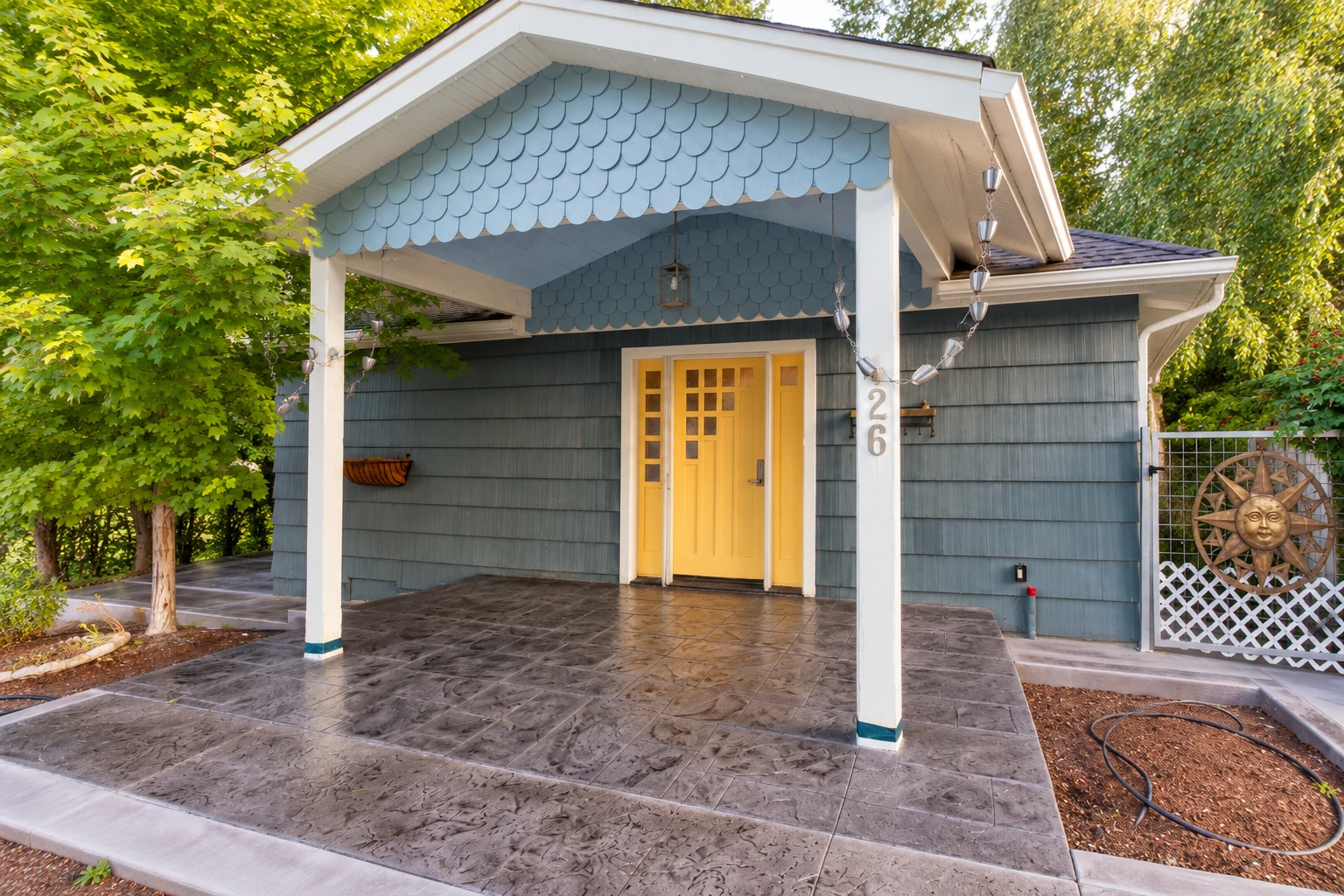
Look through these examples of poured walks and finishes to get a feel for widths, edges and textures before we talk about yours.
Sidewalk questions we hear
These are the questions Anchorage homeowners ask about a new walk. If yours isn't here, call or send a message and I'll give you a straight answer.
How much does a concrete sidewalk cost in Anchorage?
Concrete work in Anchorage usually costs about $6 to $20 per square foot. That's the going rate for concrete work in general, not a sidewalk price from us, and a walk lands higher or lower depending on its size, how much old concrete comes out and what the street end needs. I'll give you a written estimate for your walk after I see it in person.
Can concrete be poured in cold weather in Anchorage?
Yes, concrete poured in the cold still gets strong and durable when it's mixed, placed and protected right. Cold-weather precautions start when the air drops, or is expected to drop, below 40°F while the fresh concrete still needs shielding. Industry guidance warns against pouring outside slabs in late fall, winter or early spring if they'll freeze soon after while still soaked, which is why I'd rather wait for a better week when you can.
Who issues right-of-way permits in Anchorage for sidewalk work?
Right of Way staff in the Municipality of Anchorage's Development Services Department issue permits for work that uses the Municipal Right of Way, and only to utility employees or contractors bonded for right-of-way work. If part of your walk sits in the right of way, I'll tell you before we start. We handle the paperwork with the Municipality where we're able to, or tell you plainly who else has to apply and what they'll want.
How do I care for a new concrete sidewalk in its first winter?
Keep deicing chemicals off it the first winter, and use them in moderate amounts after that. Shovel early and use plain sand if you need grip, and when you do buy a deicer later, skip ammonium sulfate, ammonium nitrate and magnesium-based salts, because they're harsh enough to destroy a concrete surface. It helps to plan that first season's snow and ice care before the walk goes in.
Will my new concrete sidewalk crack like the old one?
It may still get a fine crack or two, because concrete shrinks as it dries, so we cut control joints, shallow grooves across the walk that give it a place to crack instead of wherever it likes. Cutting them on time matters, since joints cut late or skipped leave cracks in places nobody picked. Surface damage from freezing is a separate problem, and that's what the mix and the pour timing above deal with.
What causes concrete sidewalks to heave in Anchorage?
Mostly frost heaving, which is water in the ground freezing and building up ice that lifts soil and pavement unevenly. That's how a walk that was flat in the fall ends up with a trip edge by spring. We can't stop the ground from freezing, but less water collecting along the walk helps, so I look at where the water runs before we form it.
Where we pour sidewalks
We're based in Anchorage and work in the cities around it too. Pick your area below, or call if you're not sure we come out your way.
Ready to plan your new concrete sidewalk?
The sooner I see the walk, the sooner we know whether the street end needs a permit and can plan the pour around it.