Foundation raising in Anchorage AK - a house that's steady and closer to level
Floors sloping, doors sticking, cracks over the windows? We find what made your house settle, steady it and lift it back toward level.
- Owner on every job I look at your house, write the estimate and work it.
- Partial lift, on purpose We steady the house and lift partway so nothing else cracks.
- Cause found first We look for what made it settle before we lift anything.
- Straight answers on scope Your written estimate says what's in the job and what isn't.
- Fully licensed and insured.
- Free on-site estimates.
- We reply within 1 business day.
How do you know your house has settled?
Settling shows up in small ways first. Catch it early and the fix is usually smaller, because the house hasn't had as much time to crack the rest of the place.
Floors that slope or dip
A marble rolls to one side, or a room feels downhill. That usually means a pier or one corner has dropped, and it keeps going until the cause is fixed.
Doors and windows that stick
A door that closed fine last year now rubs or won't latch. The frame has gone out of square as the house shifted, and planing the door only hides it.
Cracks above doors and windows
Diagonal cracks running up from the corners of openings usually mean one side is settling faster. Patch them and they come back until the house stops moving.
Gaps at trim and baseboards
Baseboards pull away from the floor, or crown molding opens a gap at the ceiling. Small gaps are worth watching, and growing ones mean the house is still moving.
Cracked foundation or slab
Hairline cracks are normal in concrete. Cracks that widen, step, or leave one side higher than the other point to settling, and they let in water that makes it worse.
Water pooling by the house
Puddles along the foundation after rain or snowmelt soak the soil your house sits on. Wet, soft soil is a usual reason a house settles, and it keeps settling until the water goes elsewhere.
How we handle foundation raising
Foundation raising lifts a house that's settled back toward level, and how we do it depends on what your house sits on. I start by measuring how far each part has dropped and looking for why, because a lift that leaves wet soil or a small footing in place just settles again. On a crawl space home the framing is reachable from below, so we shim or replace the piers, the posts the beams rest on. A slab home has to be lifted on piers driven down to soil that can carry the weight, which means digging outside and a bigger job. Either way, we steady the house and lift it partway, not to dead flat, because forcing it that far cracks plaster, tile and plumbing somewhere else, and I'd rather leave a slight slope than open new problems. Most contractors leave drywall and trim repair out, so we put in writing whether it's part of your job before we start. Your home's type and how many piers it needs move both the price and the schedule, and the written estimate gives you the figure for your house.
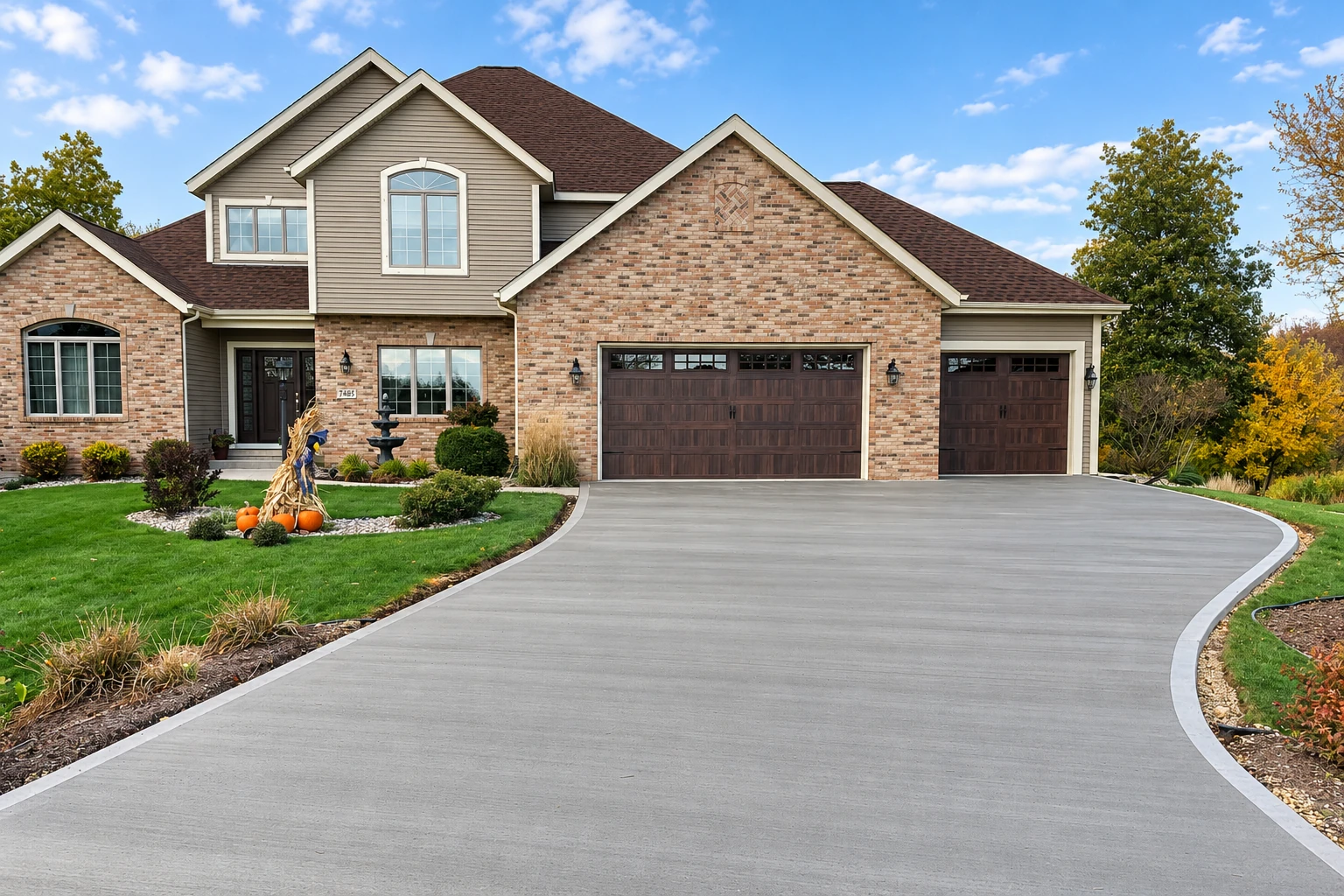
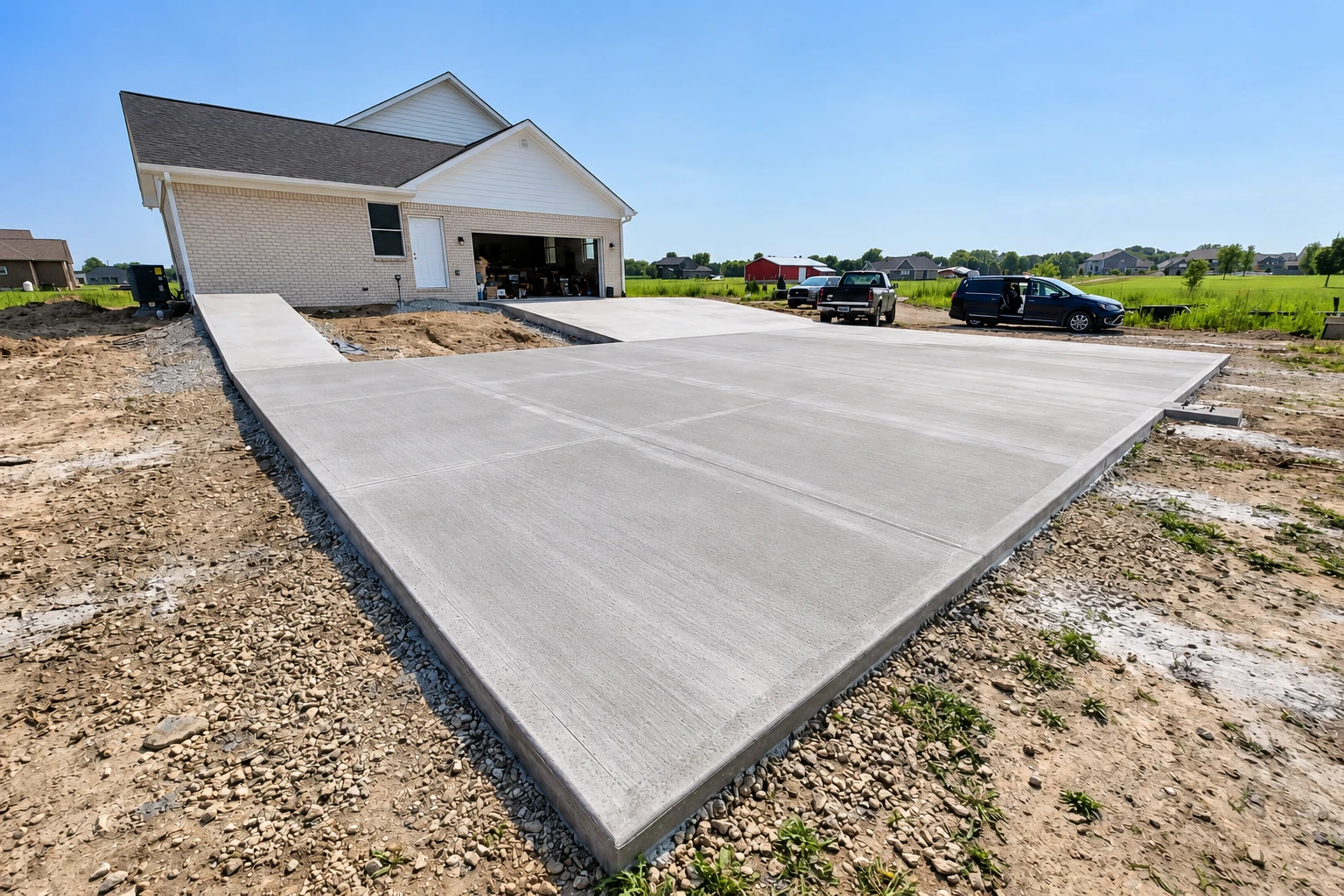
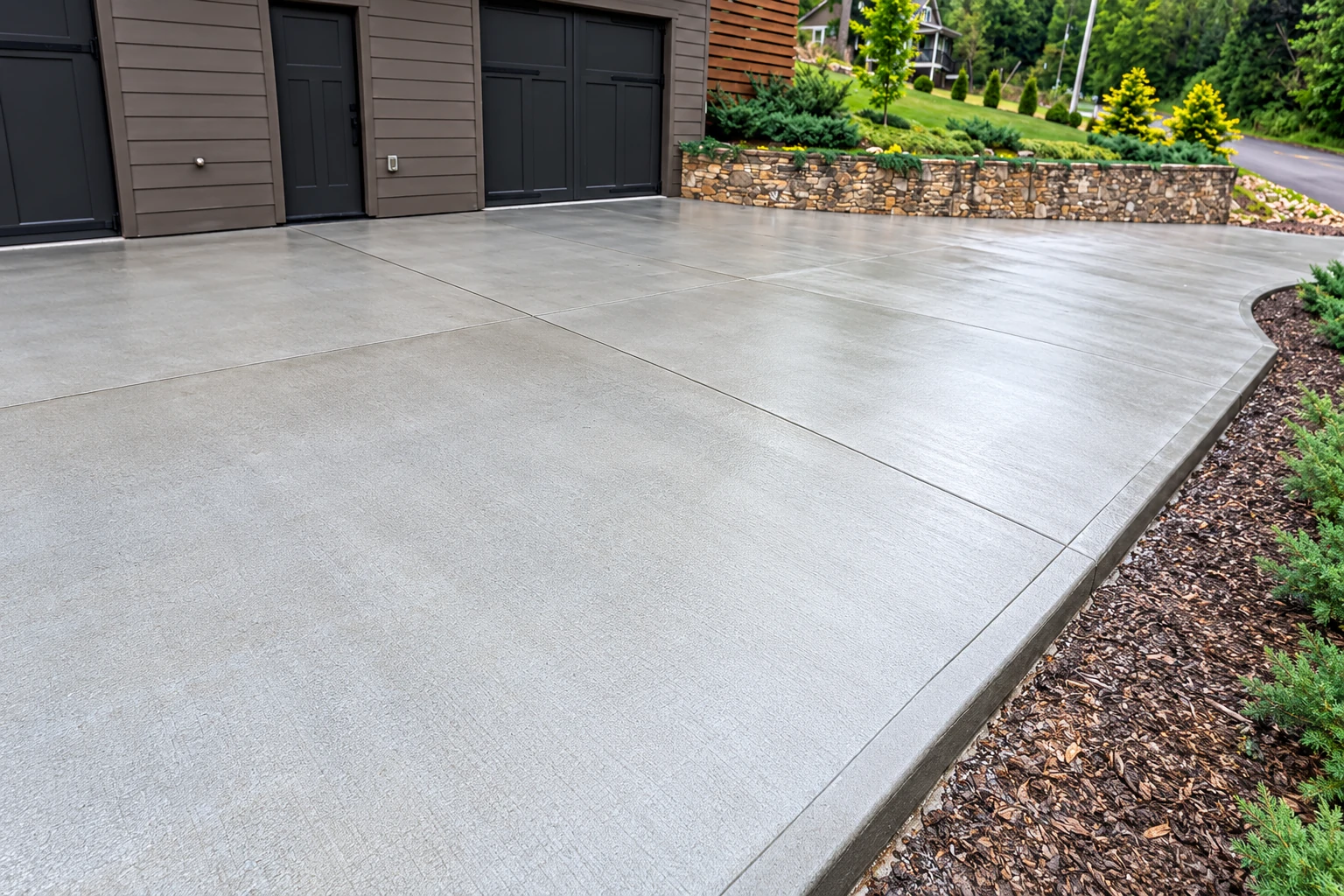
Raising a house often touches the concrete around it. If a slab, walk or garage floor has to be opened to reach the foundation, our concrete cutting work makes clean saw cuts, so we patch a neat section instead of breaking out more than we need. When settling has tipped a driveway toward the house or dropped it at the garage, we can tear it out and handle the concrete driveway building on a dug-out, packed base, so water runs away from the foundation you just paid to fix.
What happens when you call about raising your house?
From the first call to the walk-through, it's four steps, and I'm on site for the visit, the estimate and the work.
Call or send a message
Call (907) 206-3358 or use the form, and tell us what you're seeing, like sloping floors, sticking doors or new cracks.
I look and write it up
I come out, measure how far the house has dropped and ask what you need. You get the estimate in writing, with what's included and what isn't.
Permits, scheduling and the lift
Once you say go, we line up any permits and pick a start with the weather in mind, since slab work means digging outside.
Walk through it together
When the lift is done we clean up and walk the house with you, checking doors, windows and floors.
Why Anchorage homeowners call Monolith Anchorage Concrete Company
Same person, estimate to lift
I look at every job, write the estimate and work the lift with my crew, so nothing gets lost in a handoff.
In business since 2013
We plan foundations and slabs around Anchorage's cold weather from the first visit, so the work isn't rushed into a bad week.
Fully licensed and insured
Digging beside a foundation and lifting a house carries real risk, so we carry the coverage before a shovel goes in.
We check the ground first
Northeast Anchorage is gravel and sand that's held foundations well. The flat west side is different ground, so we check yours.
Get a written estimate for raising your house
Tell us your address, slab or crawl space, and what you're seeing, and we reply within one business day. I look in person and give you a free written estimate, no obligation.
Foundation and concrete work
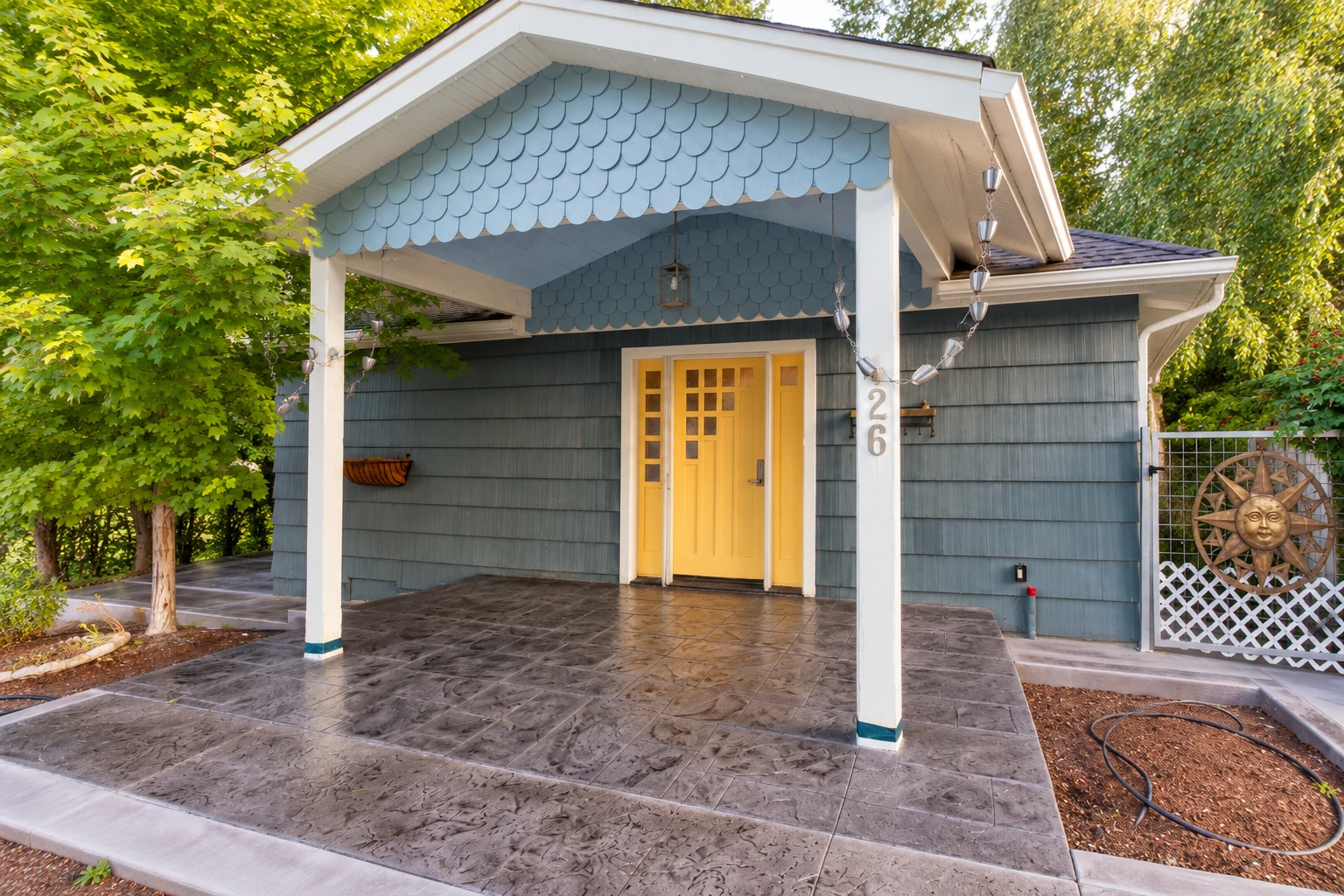
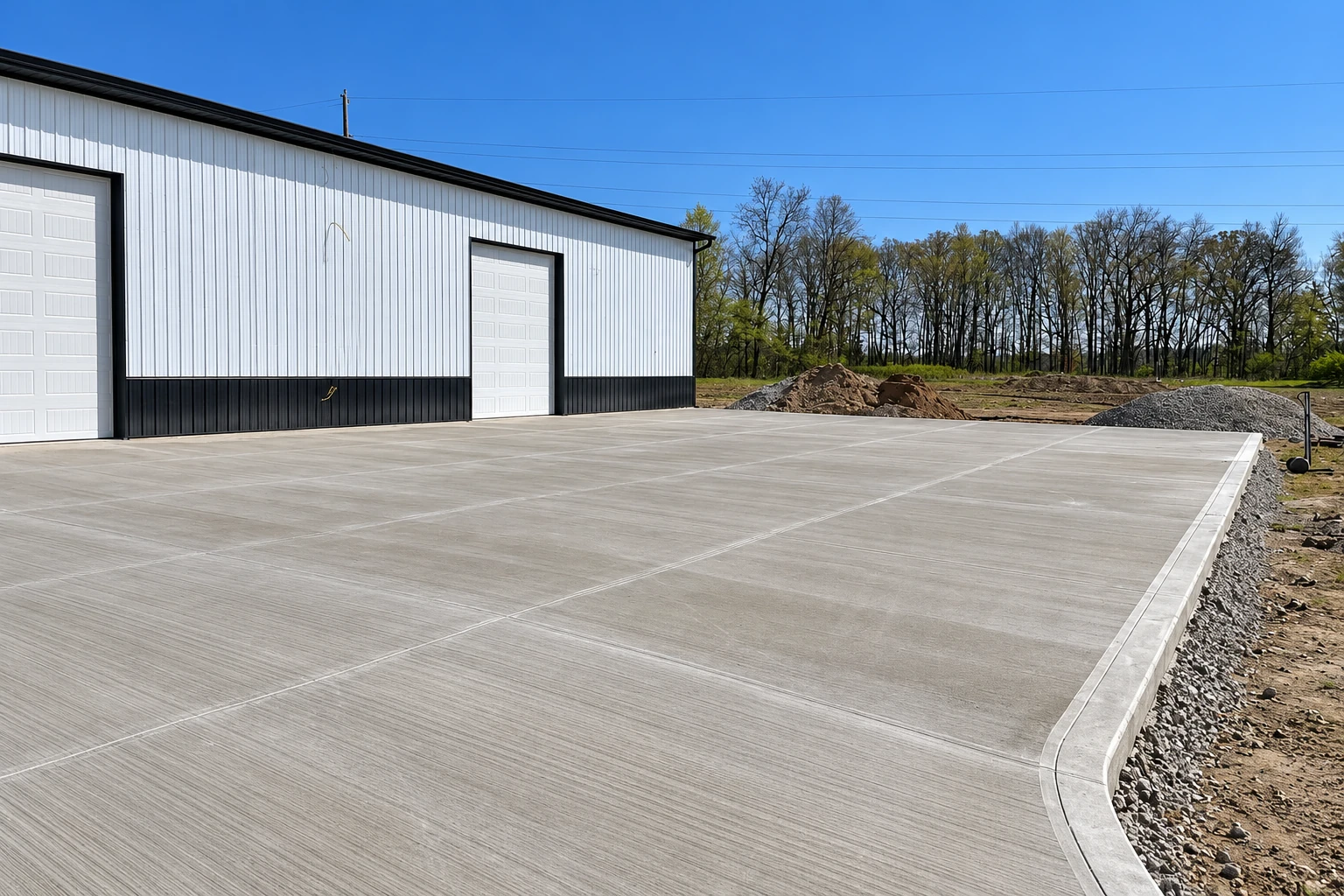
Look through these examples of foundation and concrete work to get a feel for what raising and repairing a settled house can involve.
Foundation raising questions
These are the questions Anchorage homeowners usually ask about raising a settled house. If yours isn't here, call or send a message and ask about your own job.
How much does it cost to raise a foundation in Anchorage?
Across the US, house leveling usually runs about $3,500 to $30,000 per job, with crawl space homes on piers and beams at the lower end and slab homes higher. That's a national range, not our price, and where your house lands depends on its type, how many piers it needs and how much digging it takes. I'll give you a written figure after I see it.
How long does foundation raising take, and can we stay in the house?
By the usual figures for this work, shimming a crawl space house takes 1 to 3 days and lifting a slab on piers takes 3 to 7, depending on how many piers it needs. Most people stay home through it, though slab work is noisy and means digging around the outside of the house.
Do I need a permit to raise my house in Anchorage?
If your house is inside the Municipality of Anchorage's Building Safety Service Area, expect to need one, because the building official there issues permits to alter, repair or move a building unless the code specifically exempts the work. Outside that area, the city's rule names land use permits for new buildings, additions and changes in use, so ask which applies to your address. The city's permit counter takes those questions at 907-343-8301 or permitcounter@muni.org, and if your job needs a permit, we handle the paperwork with the city where we're able to and tell you plainly if any part has to come from you.
Will my house need leveling again after it's raised?
A house that's leveled properly on stable soil shouldn't need it again. When one does, the cause usually never got fixed, like drainage still soaking the soil, a footing that's too small, or settling that needed piers and only got shims. Ground matters here too, because the zone from the port across downtown to just past the southwest subdivisions is where all the major landslides of the 1964 earthquake happened, and it's where the ground is most likely to slide again.
Do you have to dig around my house to raise the foundation?
On a slab home, usually yes, because the piers go down beside the foundation, while crawl space work mostly happens from underneath. One pier maker's installation guide has crews dig beside the wall down to the footing, either a trench along the whole wall or a pit at each pier. Before any digging, it's fair to ask whether the crew calls 811, the national call-before-you-dig number, so buried utilities get marked with paint or flags first.
How do I know my house was raised the right way?
Ask to see the final elevation readings, the measurements of how level the house ended up. One pier maker's guide finishes a lift by checking doors and windows, repairing cracks, waterproofing, inspecting the drain tile, backfilling and taking those final readings, so those are all fair things to ask about.
Where we work
We're based in Anchorage and work in the cities around it too. Pick your area below, or just ask if you're not sure we come out your way.
Get a straight answer on your foundation
Call (907) 206-3358, use the form or email contact@anchorageconcretecompany.com, and it's satisfaction guaranteed on every job.